




Stories from the space betweenmedicine and being human.
Susan Ellison Busch writes about illness, caregiving, resilience, mortality, and the unexpected connections that form when life refuses to follow the plan.
Every diagnosis has a story the chart can't hold. Medicine has always been about more than symptoms and treatments — it is about the people living through uncertainty, difficult choices, love, grief, and change.
Susan Ellison Busch · MSN, CNP · Ohio
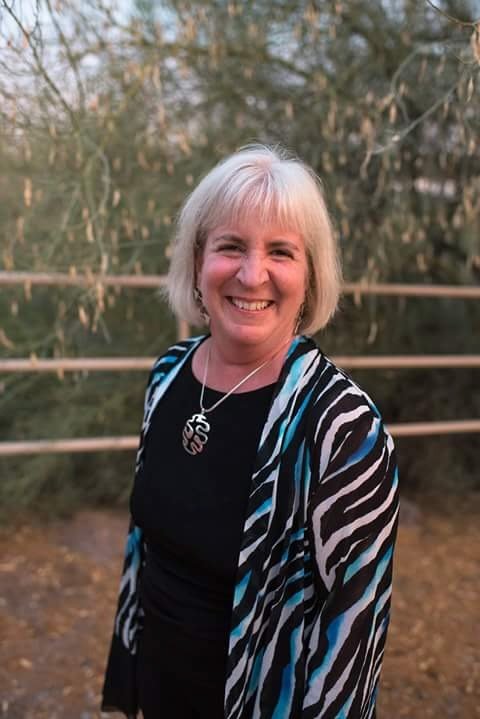
Susan Ellison BuschPortrait
Cuyahoga Valley — Ohio
The new novel
What happens when lifedepends upon a machine?
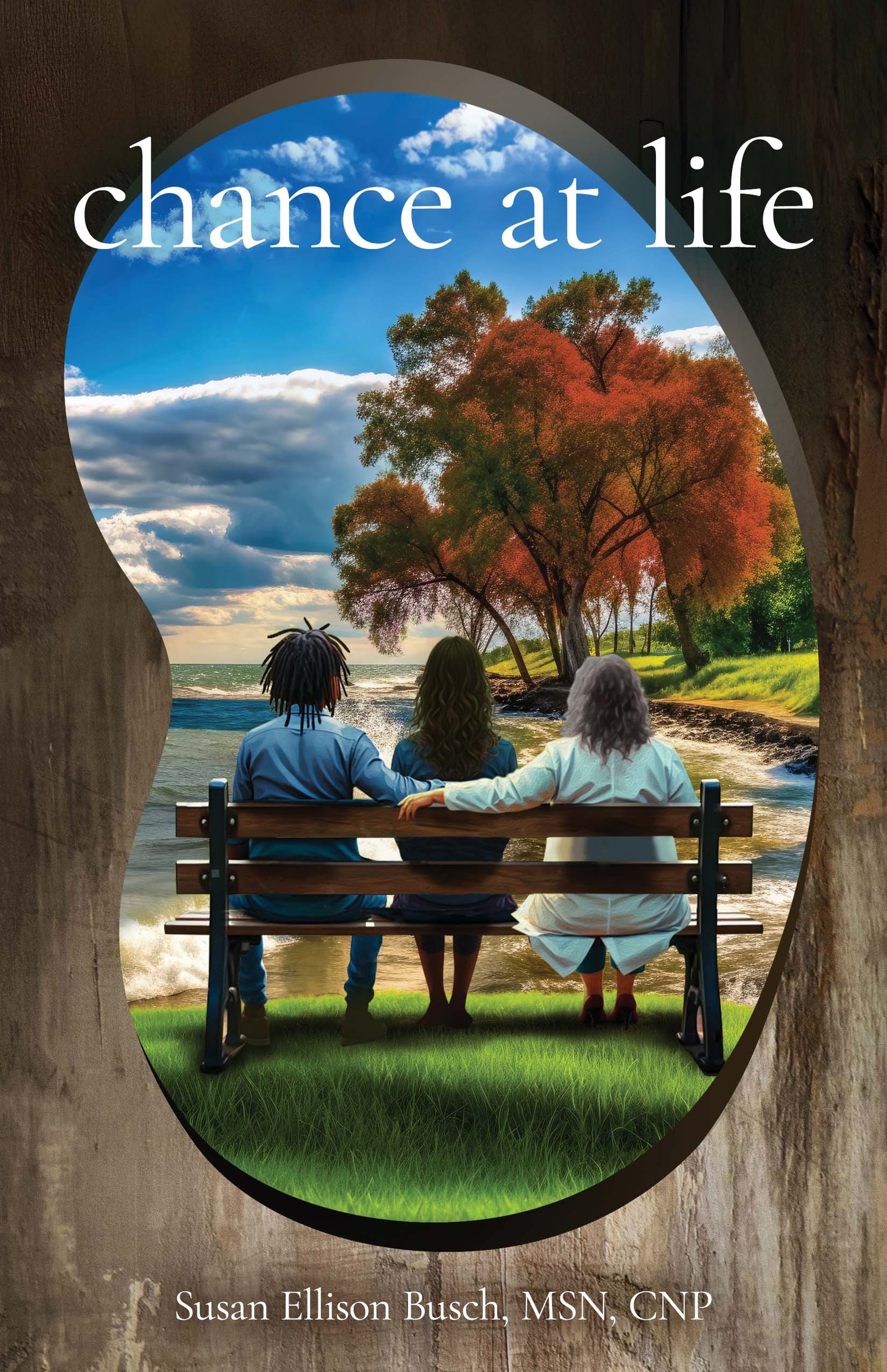
Chance at Life takes readers inside a chronic dialysis unit — where patients and staff confront illness, mortality, difficult decisions, friendship, humour and hope.
Four threadsSusan Ellison Busch — No. 02
Dialysis units aren't just medical settings.
They're microcosms of humanity — full of struggle, questions and connection, where people navigate the daily and long-term challenges of living on dialysis.
A community develops.
Patients and staff help each other through the hardest days. The novel explores the unforeseen connections that form in the most trying of circumstances.
Most of us deny our inevitable death.
It's not so easy for dialysis patients. They live on life's edges and know mortality in their bones — and still, life keeps happening.
It's a work of fiction, but entirely true.
Written from a nursing viewpoint, for anyone drawn to the intersection of medicine and literature — and for the patients, families, nurses and technicians who live it.
Chance at Life / 01Chance at Life / 02Chance at Life / 03Chance at Life / 04
The books
Three ways into the story.
One shared humanity.
A novel, a memoir, and an ongoing body of writing about what happens to people when medicine becomes part of everyday life.
Fiction — Chance at Life, inside a chronic dialysis unit
Memoir — Yearning for Normal, motherhood and 22q.11
Essays — writing on medicine, caregiving and resilience
The medical story
is only part of
the human story.
Susan has spent a lifetime listening to what happens beyond the diagnosis — the fears, relationships, ethical choices and ordinary moments that shape a life.
PatientLiving when treatment becomes everyday life